
The Nimzo-Indian Defense is a chess opening for black that starts with the moves 1.d4 Nf6 2.c4 e6 3.Nc3 Bb4. The Nimzo is one of the most respected openings for black. It is played a lot at master level because of the winning chances it gives black. From Magnus Carlsen to Garry Kasparov, the Nimzo-Indian Defense has been used extensively in the elite. It has many variations to choose from according to your playing style.
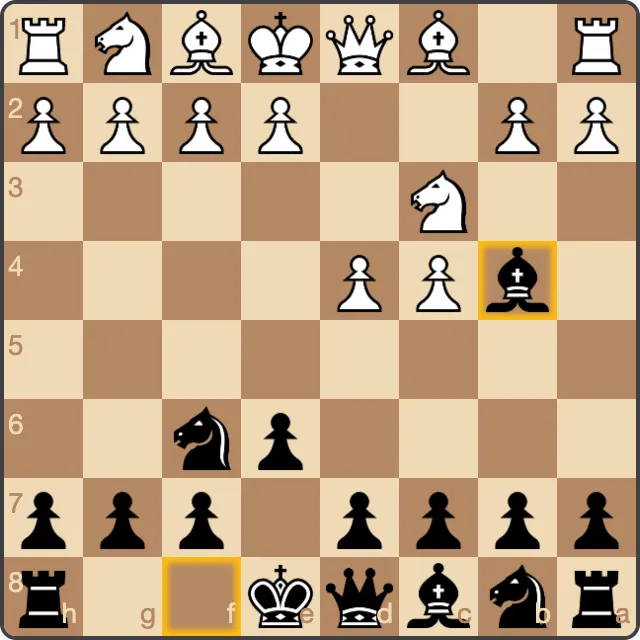
Main Ideas in the Nimzo-Indian Defense
In the Nimzo-Indian Defense, black immediately pins the white knight in c3. By doing this, black temporarily eliminates one of the biggest defenders of the central squares. This allows black to challenge the center with d5 and c5 more comfortably.
Also, in the Nimzo, black will usually have very active piece development, and will try to develop their light-squared bishop via b6 and Bb7 or Ba6.
Due to the fact that black usually exchanges the dark-squared bishop for the c3 knight, they play without the bishop pair in many games, but on the other hand has the chance to double white's b and c pawns and therefore play with a more favorable pawn structure.
Most Played Moves in the Nimzo-Indian Defense
1.d4 Nf6 2.c4 e6 3.Nc3 Bb4
This is the Nimzo-Indian Defense.
4.e3 O-O
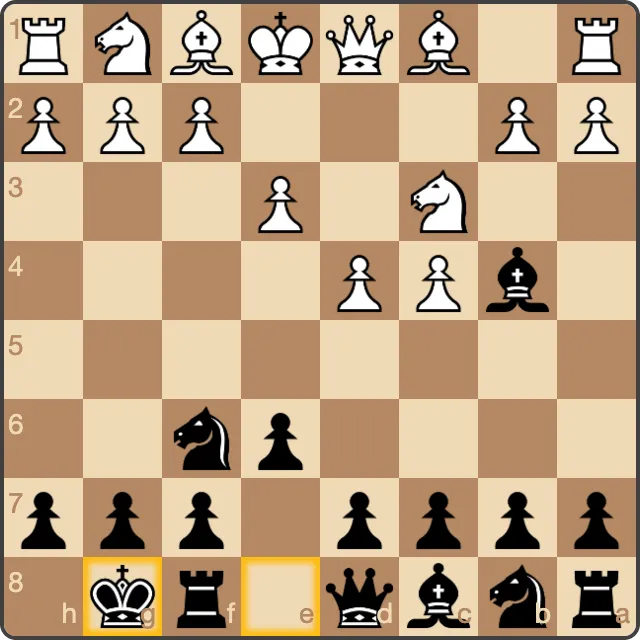
White has about nine different possible fourth moves, being e3 the most popular one.
5.Bd3 d5
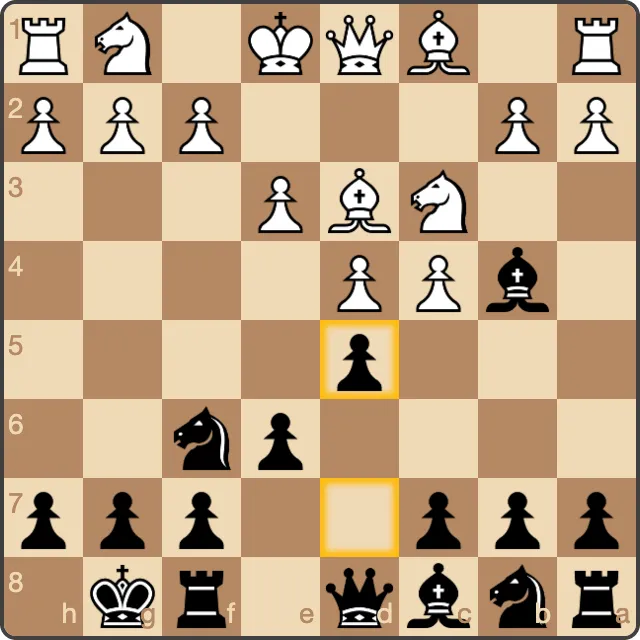
Black already strikes in the center.
6.Nf3 c5
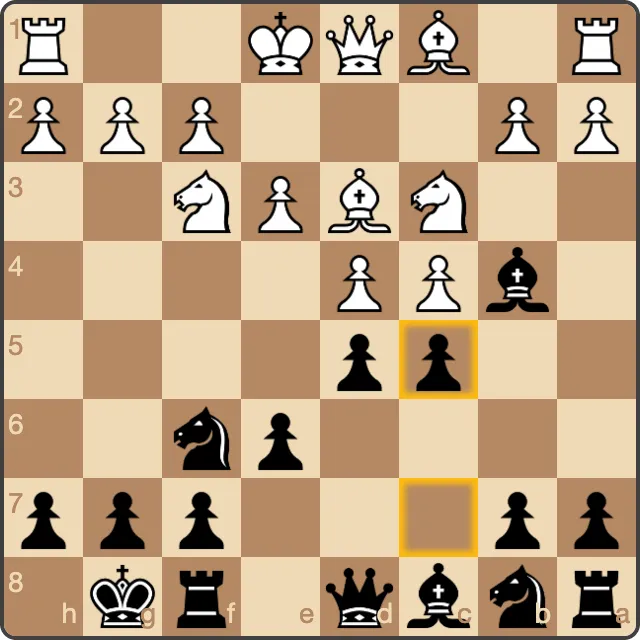
A second direct challenge to the white center.
7.O-O Nc6
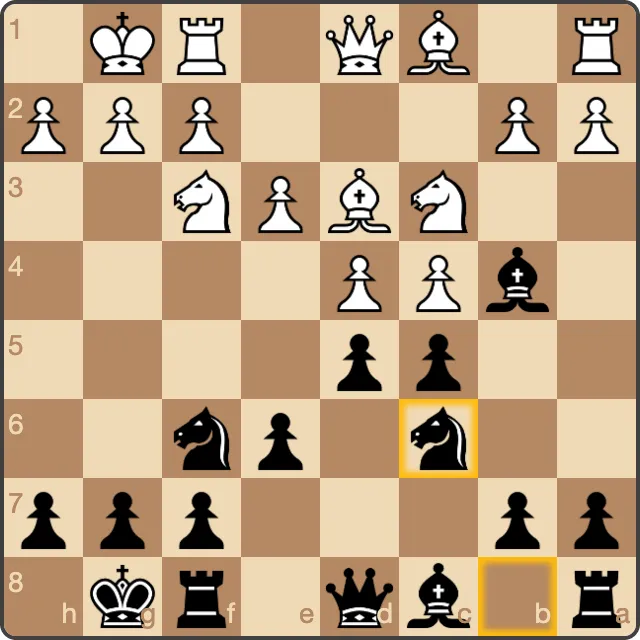
The development of pieces and pressure from black on the center continues.
8.a3 Bxc3
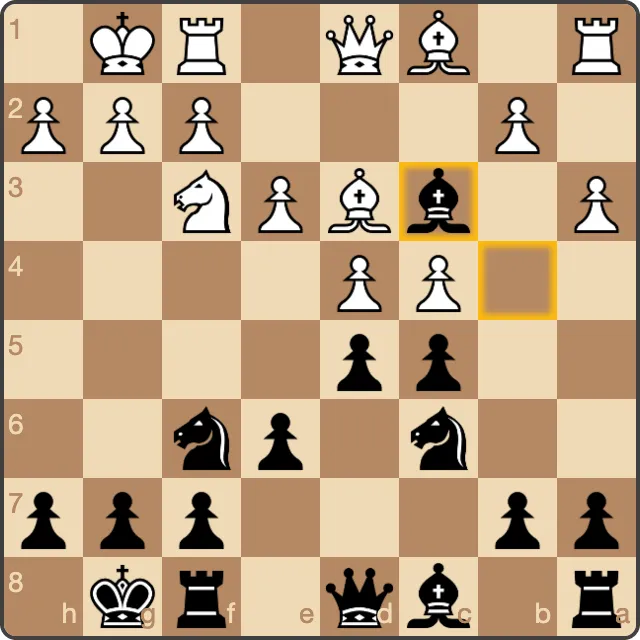
Black is forced to make a decision and goes for the piece exchange.
9.bxc3 Qc7
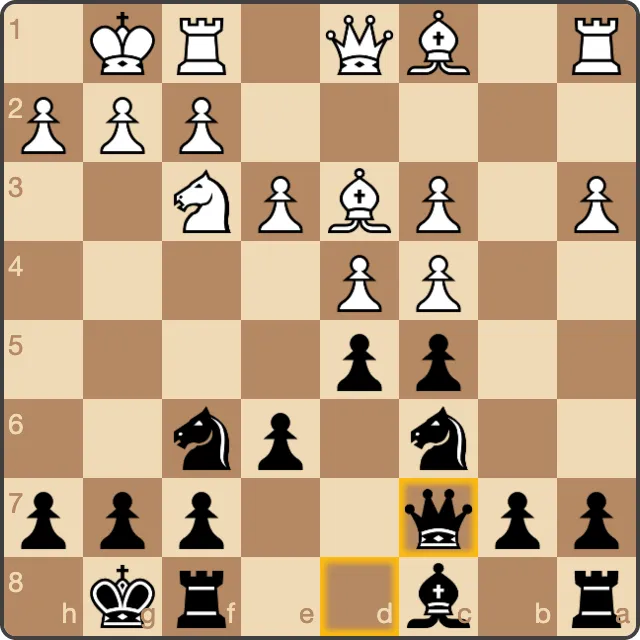
Rubinstein System
The Rubinstein System in the Nimzo-Indian Defense is defined by the move 4.e3 after black has pinned the c3 white knight.
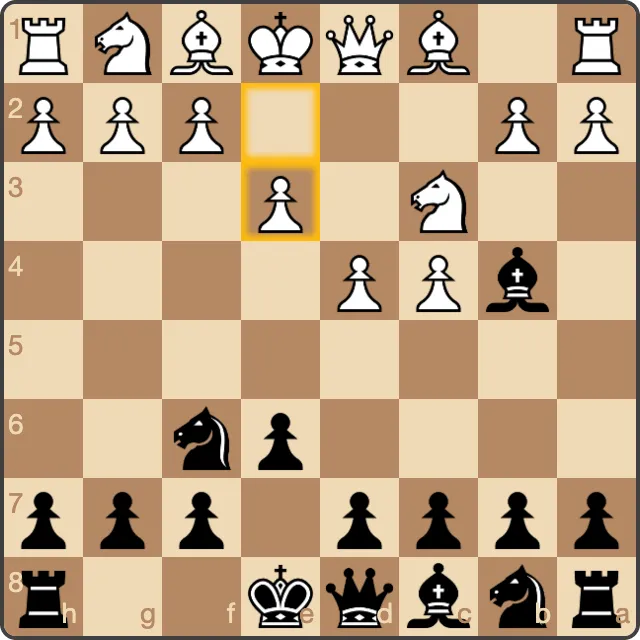
This is a non-committal move that leaves the options open for white as well for black, that can choose between ...0-0, ...c5, ...b6 or ...d5.
Classical Variation
The Classical Variation, also known as the Capablanca Variation, happens after white plays 4.Qc2.
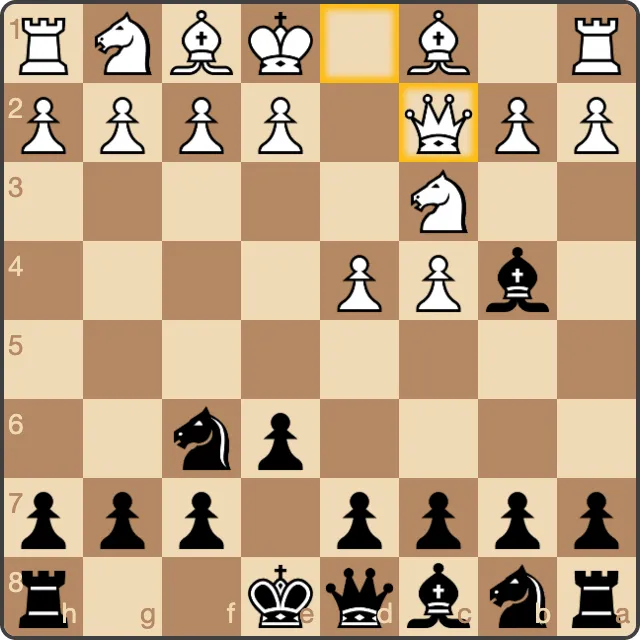
This move helps white to control the e4 square, and avoid doubling their pawns in case black plays ...Bxc3+.
After 4.Qc2, black has a myriad of options: they can play ...0-0, ...d5, ...c5, ...d6, ...b6, and ...Nc6.
Other Variations
The moves 4.e3 and 4.Qc2 are by far the most played moves in the Nimzo-Indian Defense.
But let's quickly review some other options.
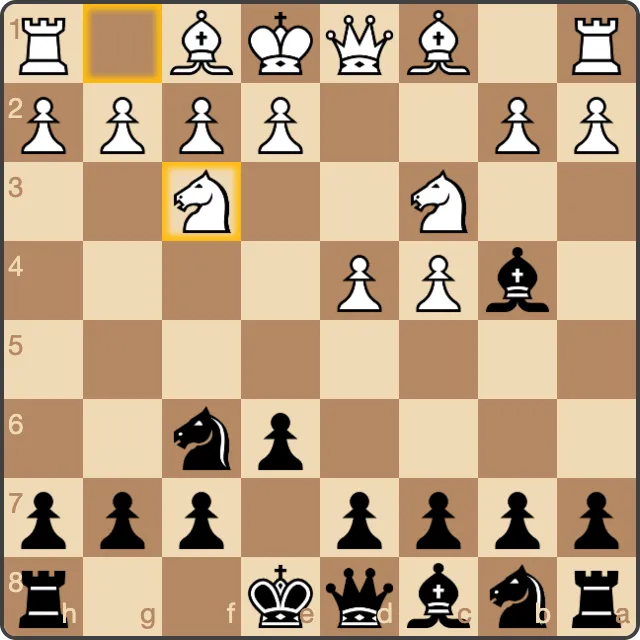
Kasparov Variation
1.d4 Nf6 2.c4 e6 3.Nc3 Bb4 4.Nf3
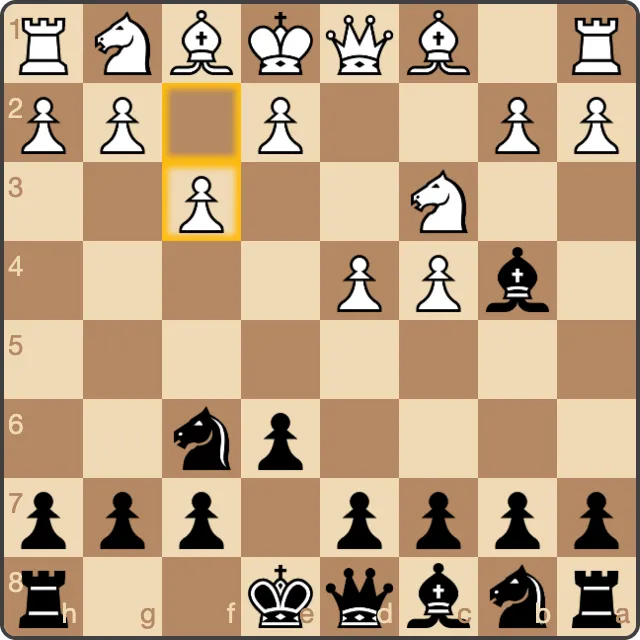
4.f3 Variation / Gheorghiu Variation / Shirov Variation / Kmoch Variation
1.d4 Nf6 2.c4 e6 3.Nc3 Bb4 4.f3
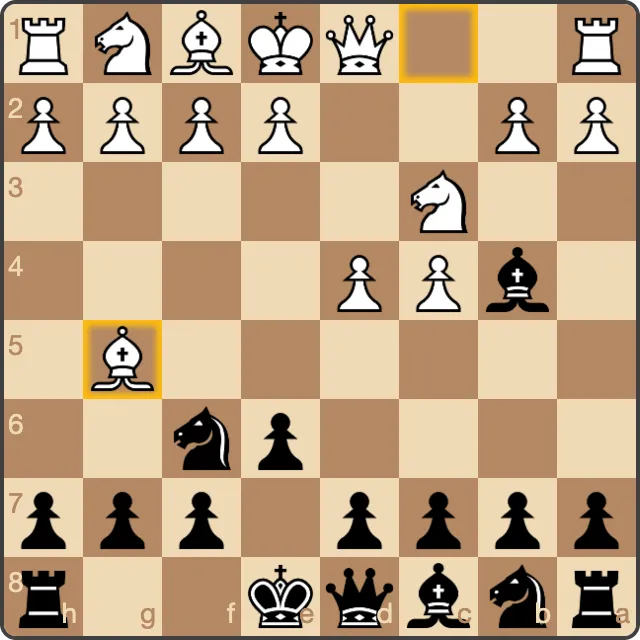
Leningrad Variation
1.d4 Nf6 2.c4 e6 3.Nc3 Bb4 4.Bg5
Model Games


Related Chess Courses
- Nimzo-Indian Complete Repertoire for White with GM Davorin Kuljasevic
- Nimzo-Indian Defense: Repertoire for Black with IM Marcin Sieciechowicz
- Win with Nimzo Indian Defense GM Ratkovic