
Welcome to the Dutch Defense, a chess opening for Black that starts with the moves 1.d4 f5. The Dutch Defense is a sound chess opening, ideal to throw White’s preparation out the window and play for the win on the kingside.
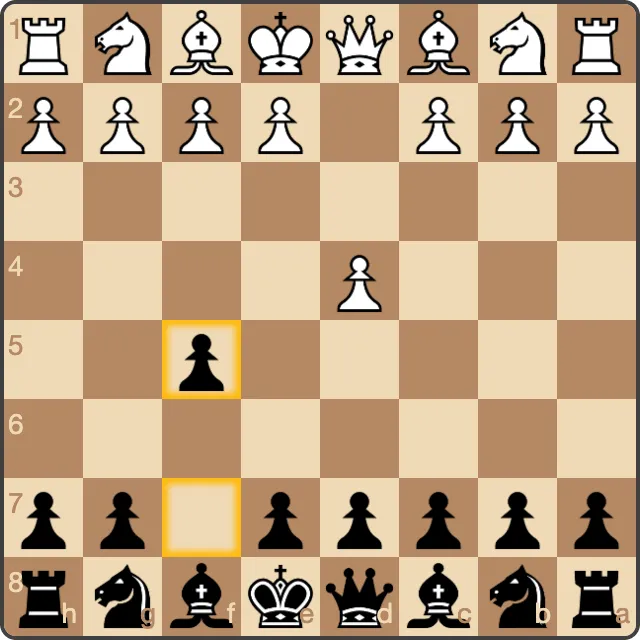
The main idea of the move 1…f5 in the Dutch Defense is to take immediate control of the important square e4.
It prevents white from playing with a super strong center at the beginning, but White will be able to gain control afterwards.
In the Dutch Defense, while White can better develop their pieces on the Queenside, Black focuses on the Kingside.
The Dutch Defense is a perfectly sound opening, although Black has to be aware of some weaknesses in their position, such as an overly exposed King and allowing White to gain too much control of the center.
Most Played Line in the Dutch Defense
1.d4 f5
The Dutch Defense is here.
2.g3 Nf6
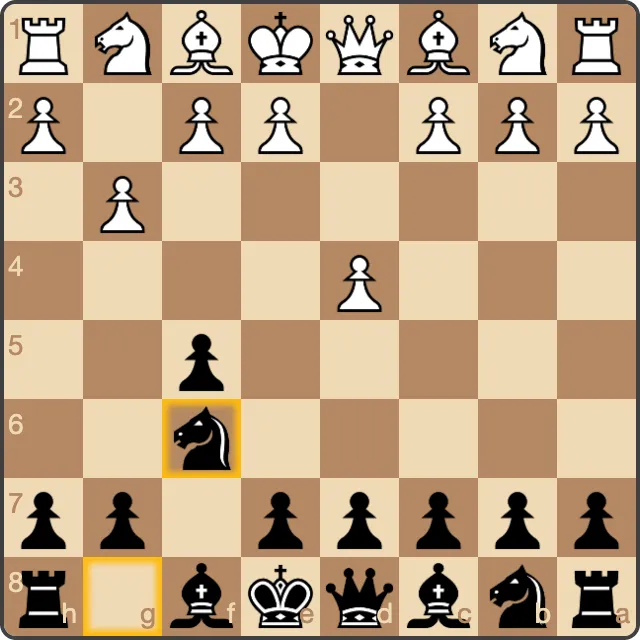
In the vast majority of games played by masters, they choose to play with a fianchetto on g2.
3.Bg2 g6
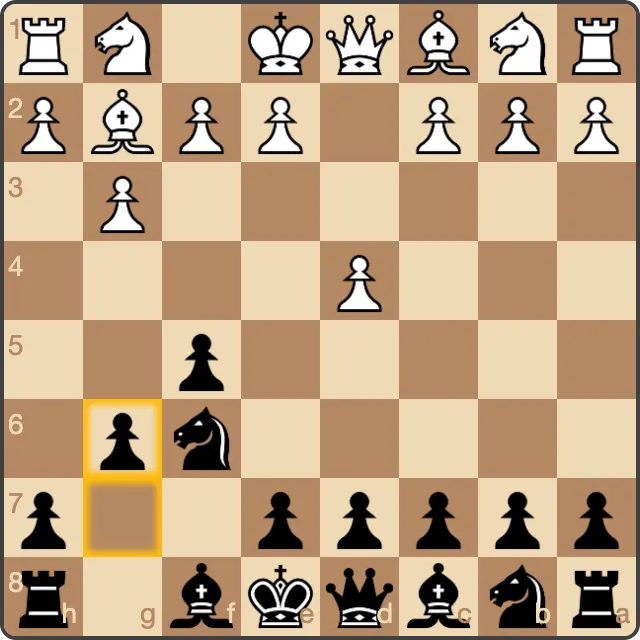
Black also chooses to play with a fianchetto on the g file.
4.Nf3 Bg7
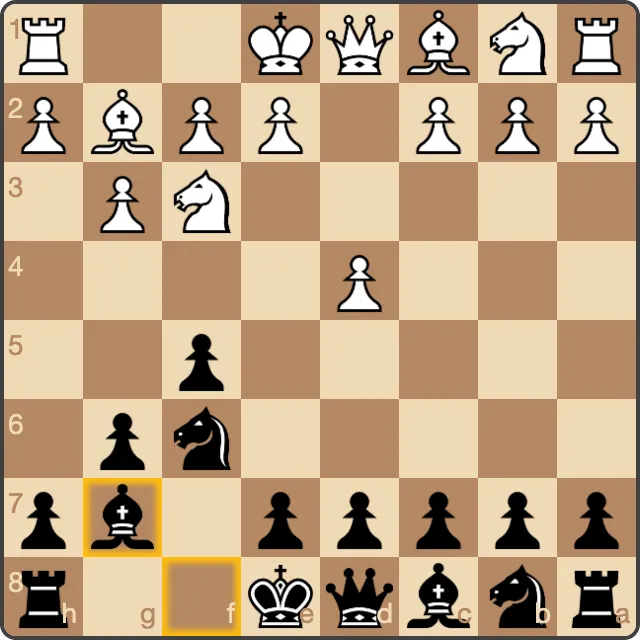
Natural development of pieces by both sides.
5.O-O O-O
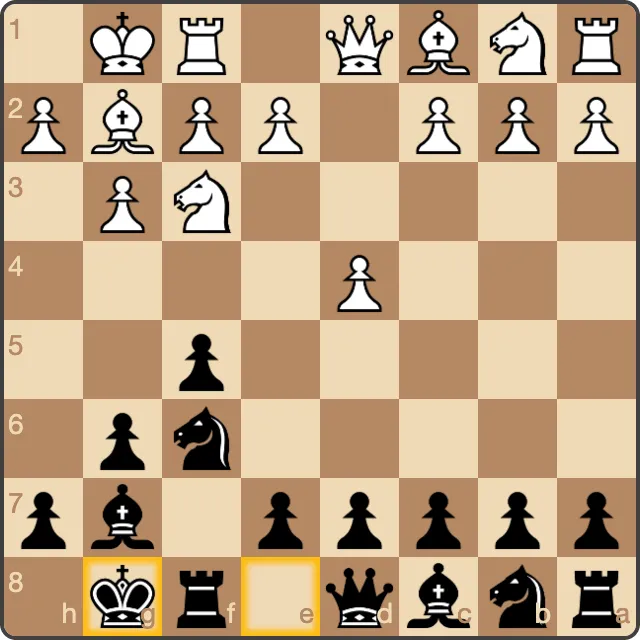
Kings are safe and the development continues.
6.c4 d6
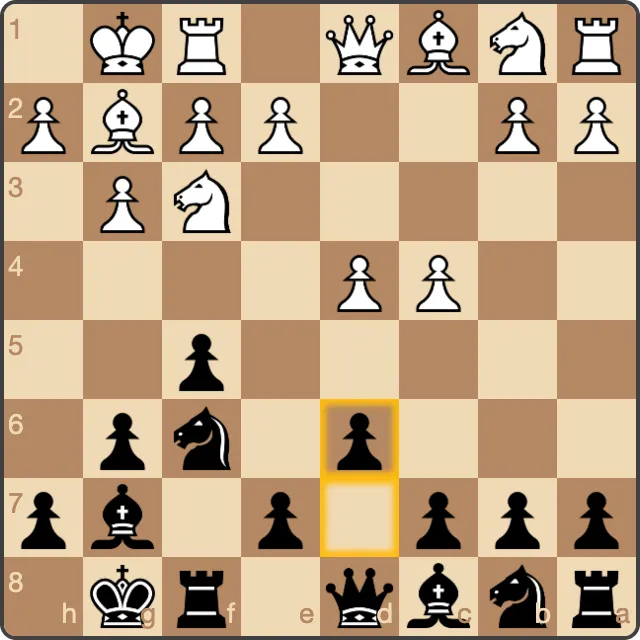
White extends its control of the center, while Black frees the light-squared Bishop and prepares to eventually play e5 and challenge White’s center.
7.Nc3 c6
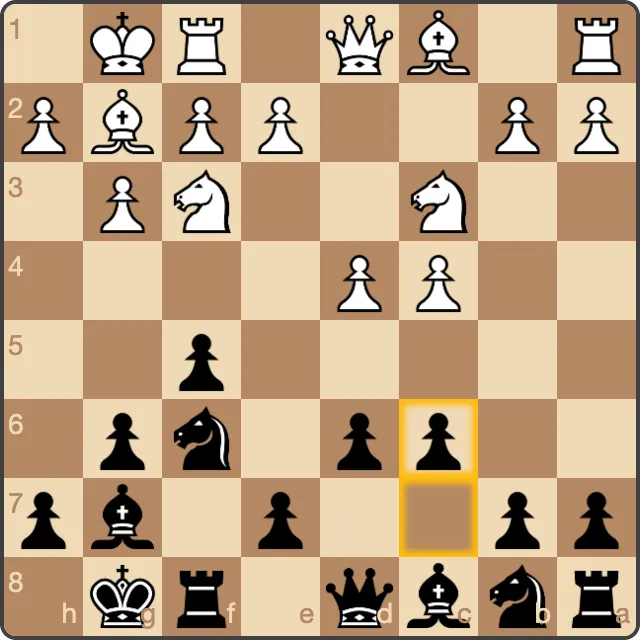
Both sides continue to move their troops to the center of the board.
8.d5 e5
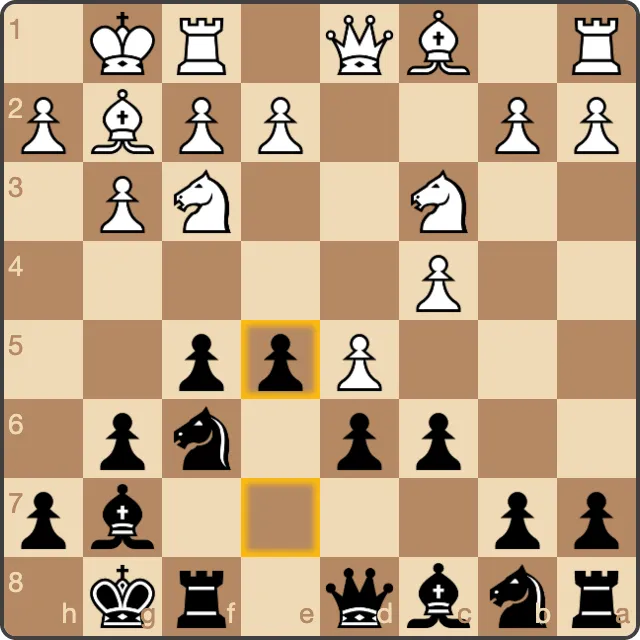
White decides to venture into enemy territory, while Black ignores the move and occupies the important e5 square.
9.dxe6 Bxe6
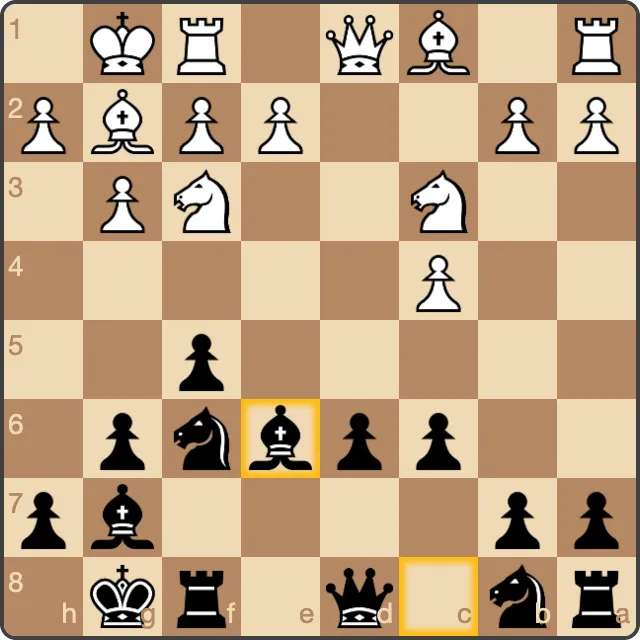
White captures en passant, and Black takes with the Bishop, developing yet another piece.
Trap in the Dutch Defense
A trap in the Dutch Defense you need to be aware of starts with the following moves: 1.d4 f5 2.Bg5 h6 3.Bh4 g5 4.Bg3 f4.
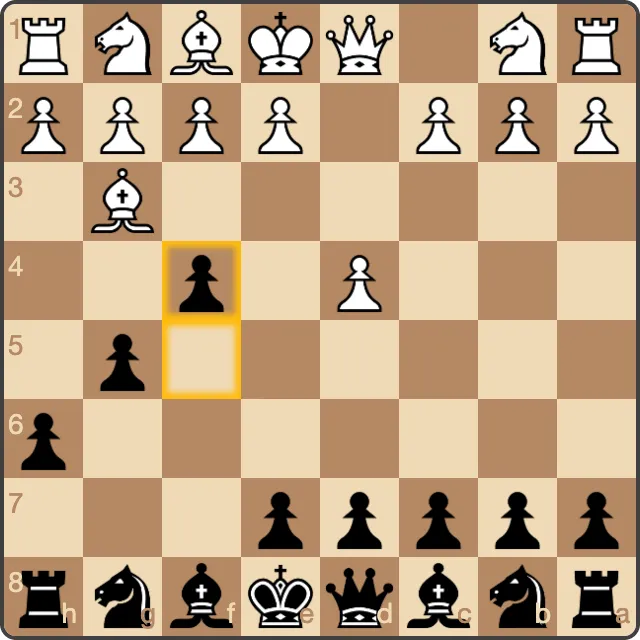
At this point it might look like you have won a piece, but White has a trick under the sleeve.
5.e3 fxg3?? 6.Qh5#
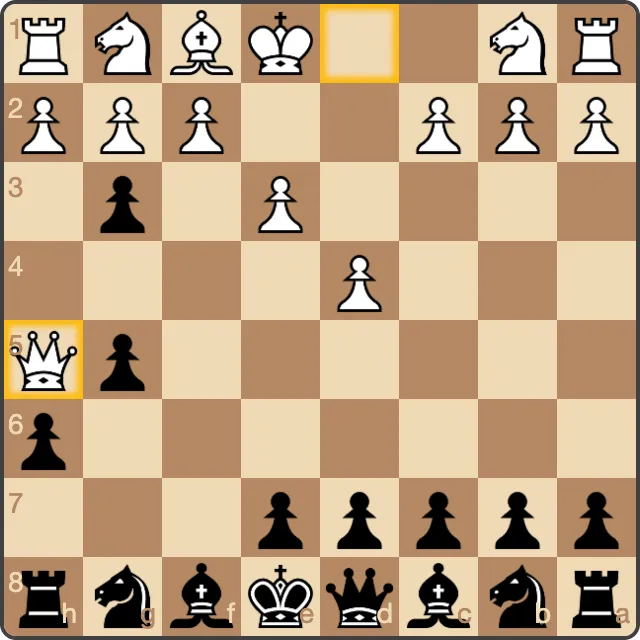
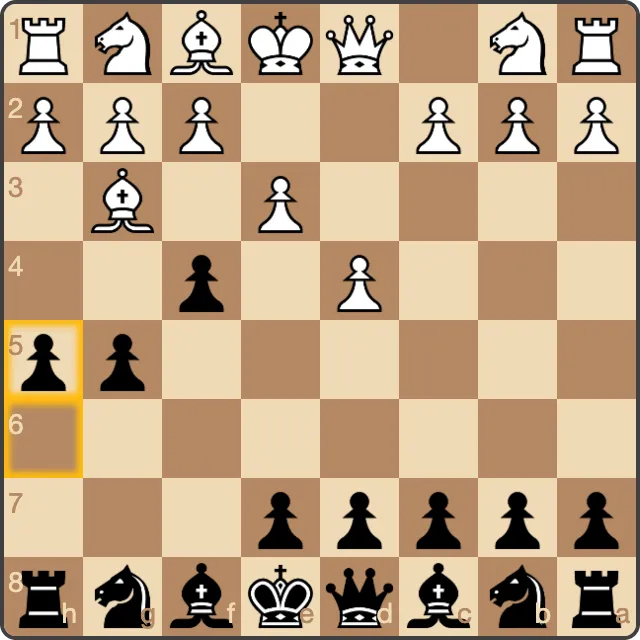
You should make sure to not allow White to check mate you, and instead of 5…fxg3 you can play 5…h5 or 5…Bg7.
Classical Dutch Defense
In the Classical Variation, Black plays with the dark-squared Bishop on e7 instead of g7, and a pawn structure with e6.
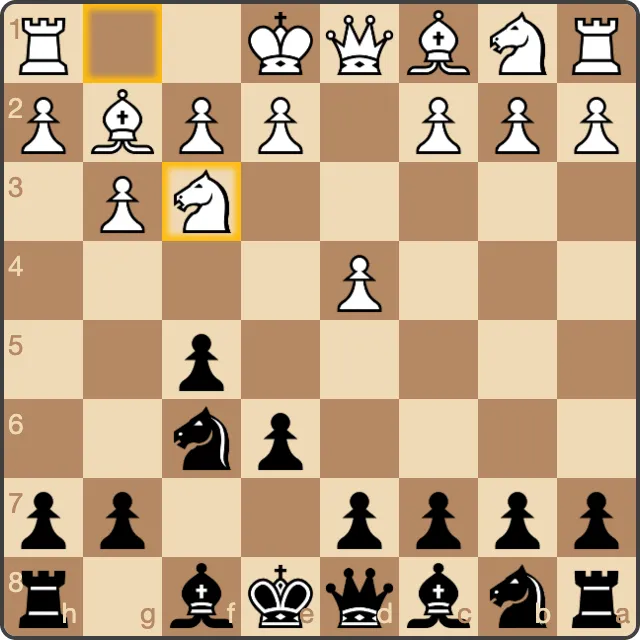
Stonewall Dutch Defense
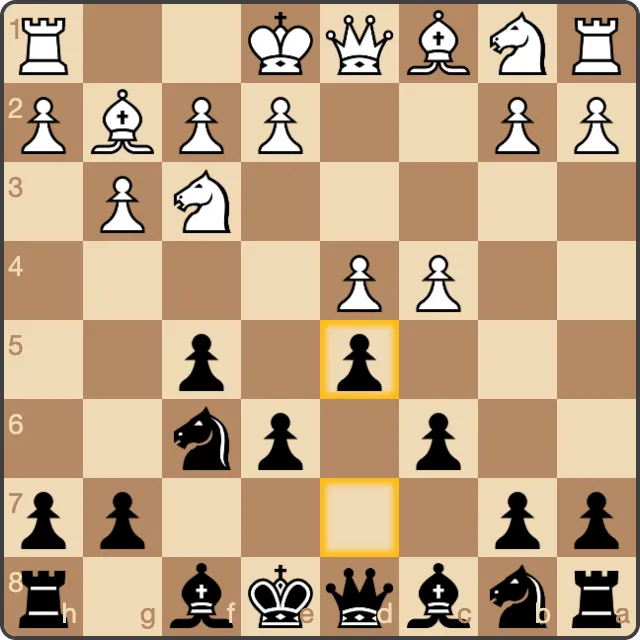
Probably the most popular choice for Black when playing the Dutch Defense is the Stonewall Dutch.
In the Stonewall, Black places its central pawns on f5-e6-d5-c6, creating a mega solid pawn structure based on controlling as many light squares as possible.
The Stonewall can be reached from many move orders, for instance: 1.d4 f5 2.g3 Nf6 3.Bg2 e6 4.c4 c6 5.Nf3 d5
Leningrad Dutch Defense
1.d4 f5 2.g3 Nf6 3.Bg2 g6
4.Nf3 Bg7 5.O-O O-O 6.c4 d6
In the Leningrad Dutch Defense, Black plays with the Bishop on g7 and with the pawn on d6.
Below, GM Miloje Ratkovic explains how to play the Leningrad Dutch:
Staunton Gambit
1.d4 f5 2.e4 fxe4
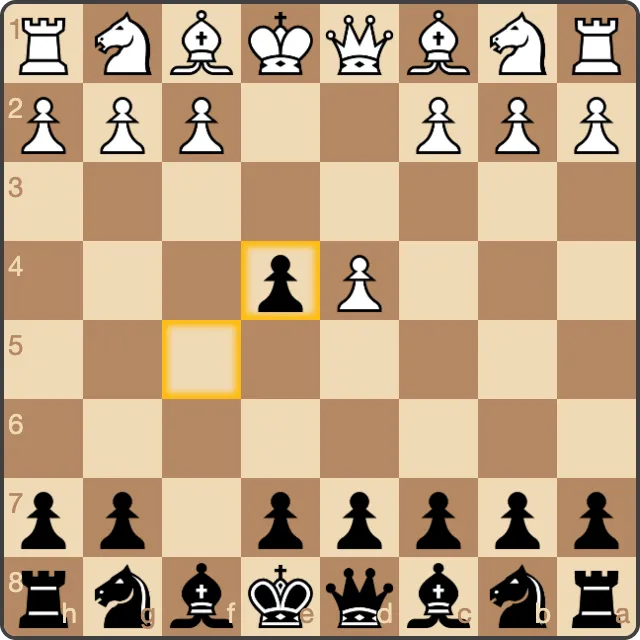
3.Nc3 Nf6 4.Bg5 c6 5.f3
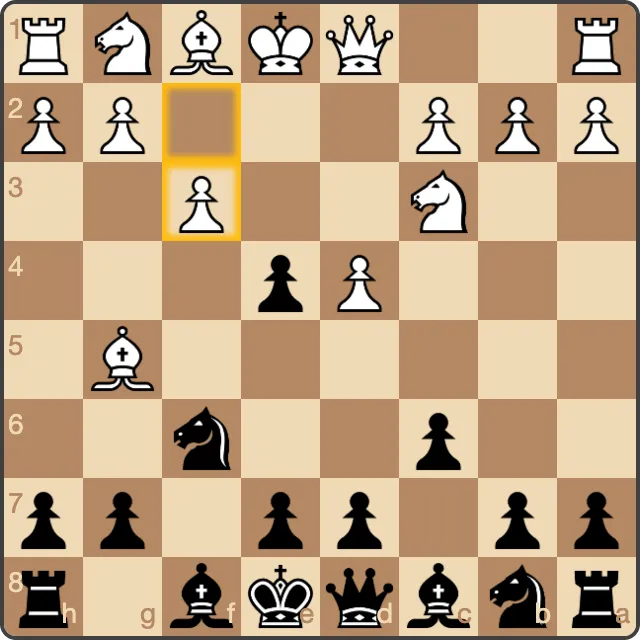
The Staunton Gambit can turn into a dangerous gambit if Black is not prepared.
For instance, if Black overcommits to defending the extra pawn, bad things can happen.
The Dutch Defense vs the London System
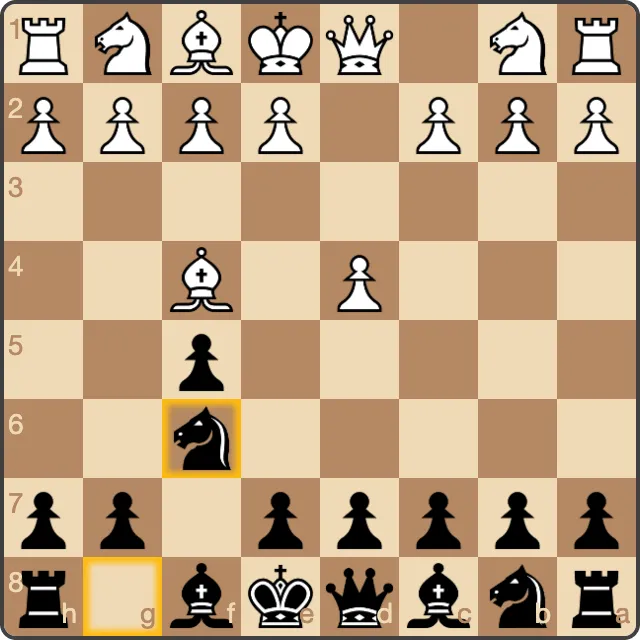
White might choose to play in a London System fashion with 2.Bf4.
One possible way to approach this by Black is the following:
1 d4 f5 2.Bf4 Nf6
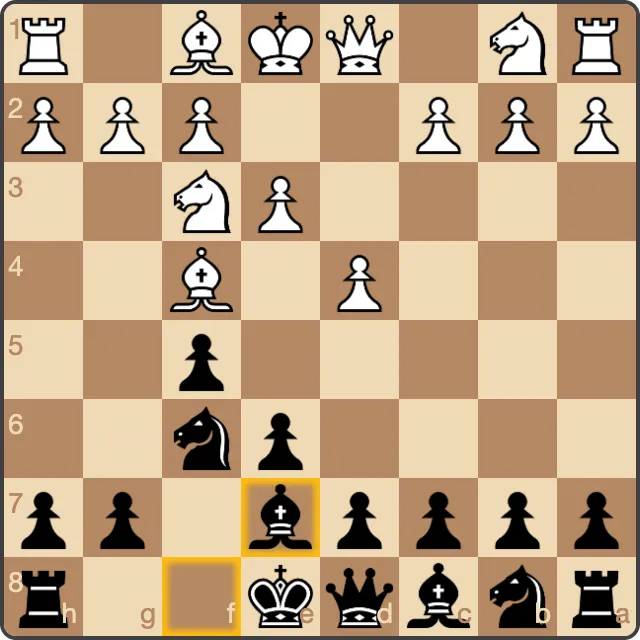
3.e3 e6 4.Nf3 Be7
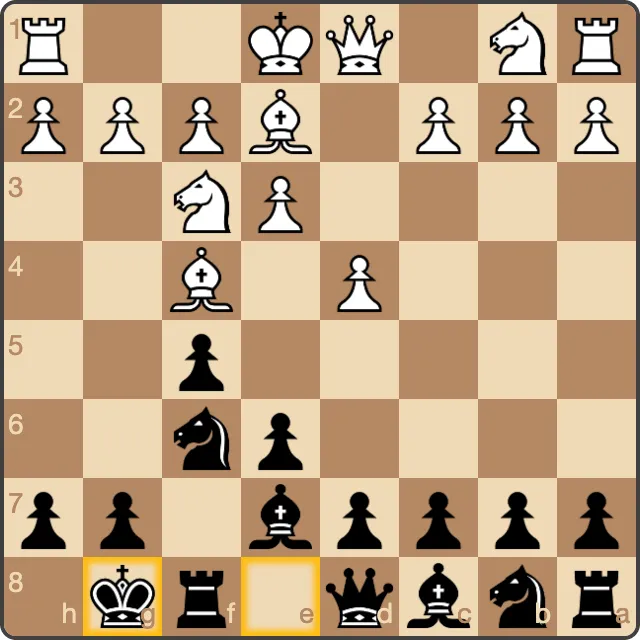
5.Be2 O-O
Model Games


