
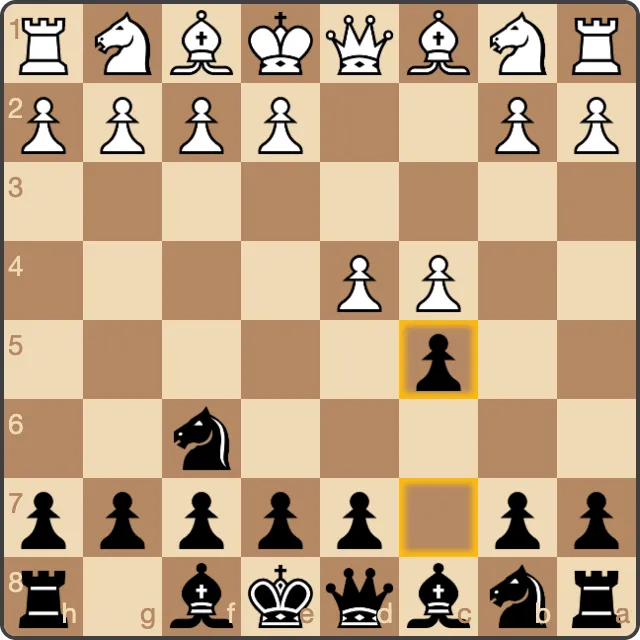
The Benoni Defense is a chess opening for Black that starts with the moves 1.d4 Nf6 2.c4 c5. This opening creates an asymmetrical pawn structure. Black will aim for counterplay on the queenside, and will try by all means possible to take advantage of White’s weak dark squares. The Benoni Defense often leads to sharp, double-edged positions. Some of the chess legends who have relied on the Benoni are Grandmasters Mikhail Tal and Garry Kasparov. This opening is named after Ben-Oni, Hebrew for "son of sorrow", and it's classified as a Semi-Closed Game.
Main Ideas in the Benoni Defense
The characteristic pawn structure in the Benoni Defense is White with pawns on e4 and d5, and Black with pawns on c5 and d6. This asymmetric structure creates lots of tension in the center throughout the game.
White often has a space advantage, while Black usually tries to expand on the queenside and take advantage of the extra pawn on that side of the board.
Another goal of Black is to undermine White’s central pawns from the get-go
Black's light-squared bishop often becomes hemmed in behind the e6-pawn, although in some lines Black quickly exchanges on a6 and gets rid of this problem.
On the other side, Black’s dark-squared bishop is typically very active, often fianchettoed on g7, exerting great influence along the h8-a1 diagonal.
Most Played Moves in the Benoni Defense
1.d4 Nf6 2.c4 c5
The Benoni Defense.
3.d5 b5
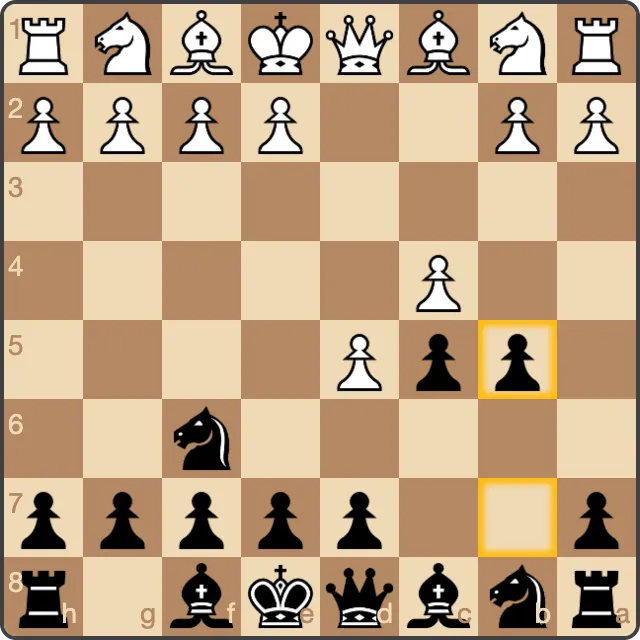
This is called the Benko Gambit. Black sacrifices a pawn in exchange for space in the queenside.
4.cxb5 a6
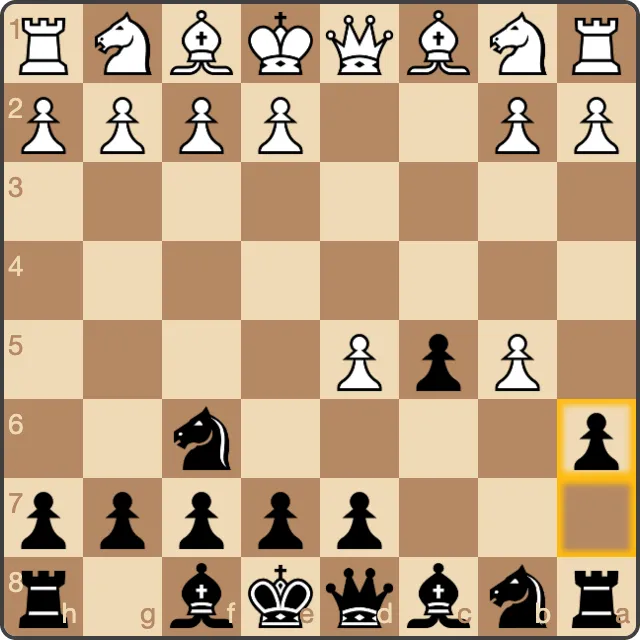
White accepts the gambit. Black offers an exchange in order to place their bishop on a6.
5.bxa6 g6
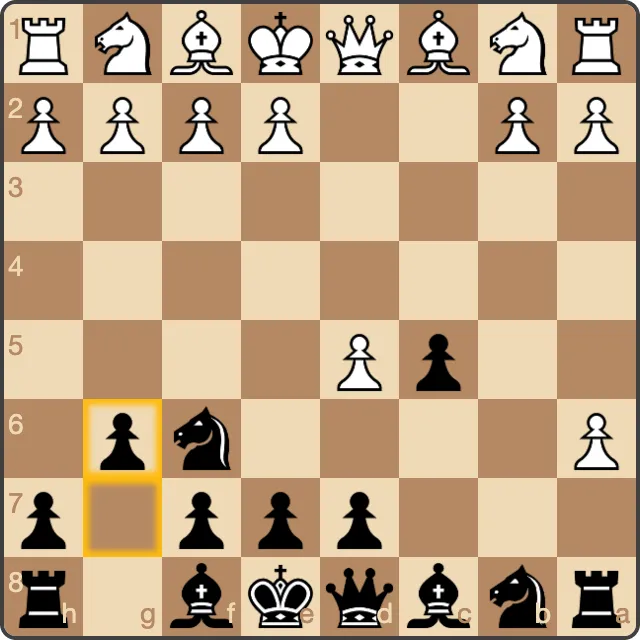
Black has time to take on a6, that’s why they play g6 to fianchetto the other bishop.
6.Nc3 Bxa6
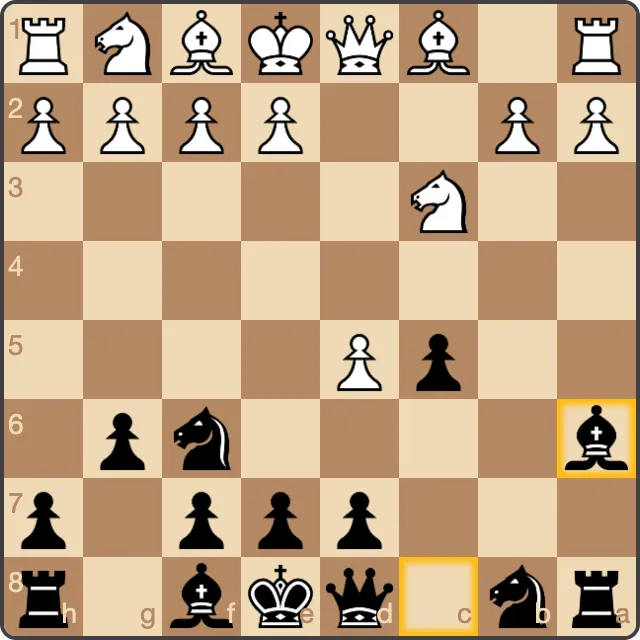
7.e4 Bxf1
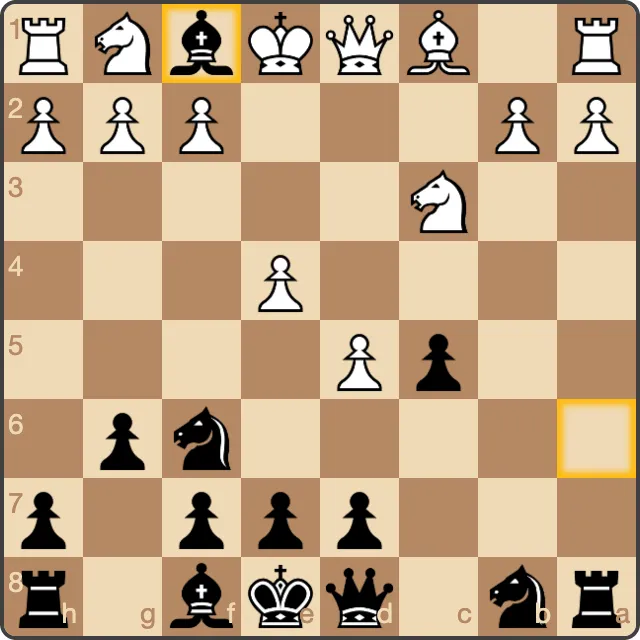
White consolidates a strong center. Black exchanges bishops to prevent the White king from castling.
8.Kxf1 d6
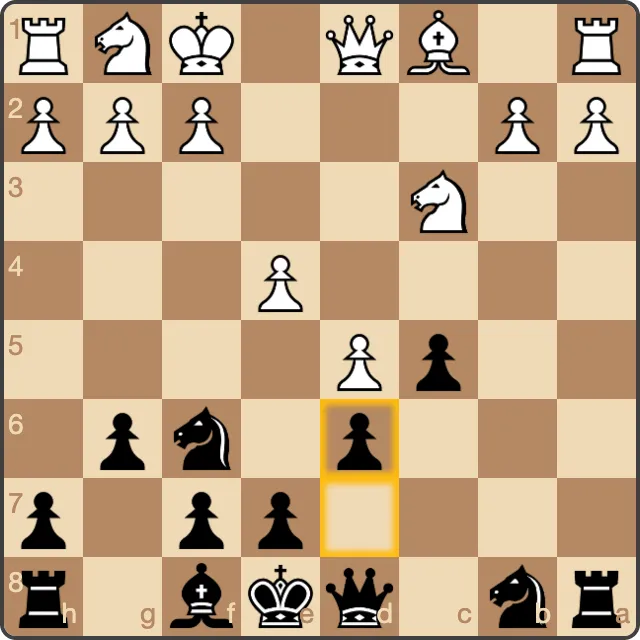
9.Nf3 Bg7
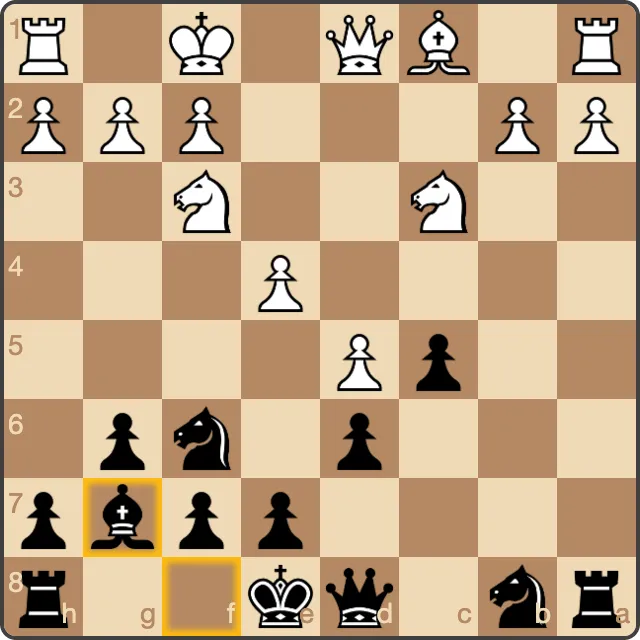
10.g3 O-O
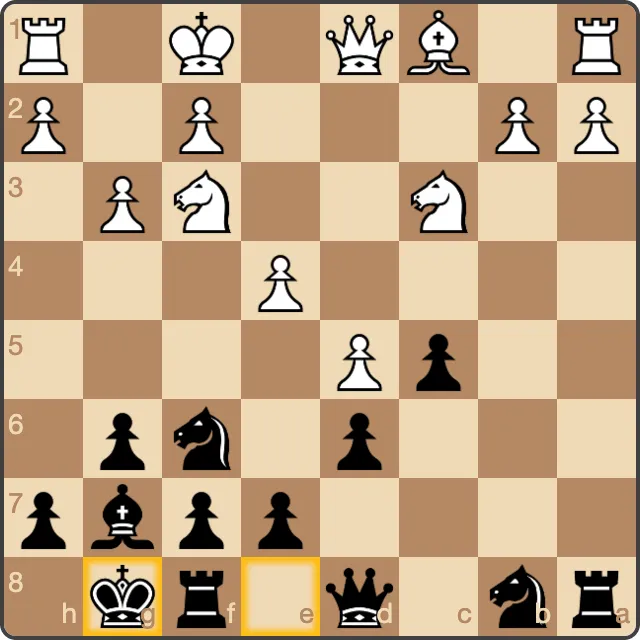
The White king is trying to castle in manual mode.
11.Kg2 Nbd7
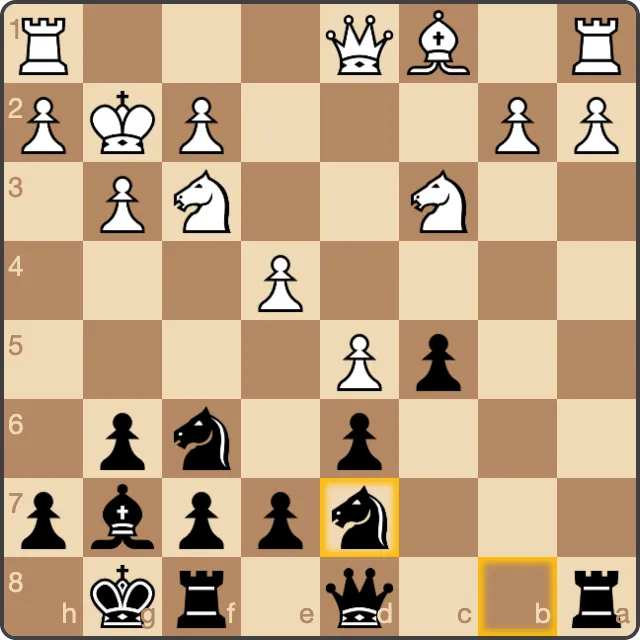
Benko Gambit
1.d4 Nf6 2.c4 c5 3.d5 b5
The Benko Gambit, also known as Volga Gambit, leaves Black down a pawn but with lots of counterplay on the queenside.
Modern Benoni
1.d4 Nf6 2.c4 c5 3.d5 e6
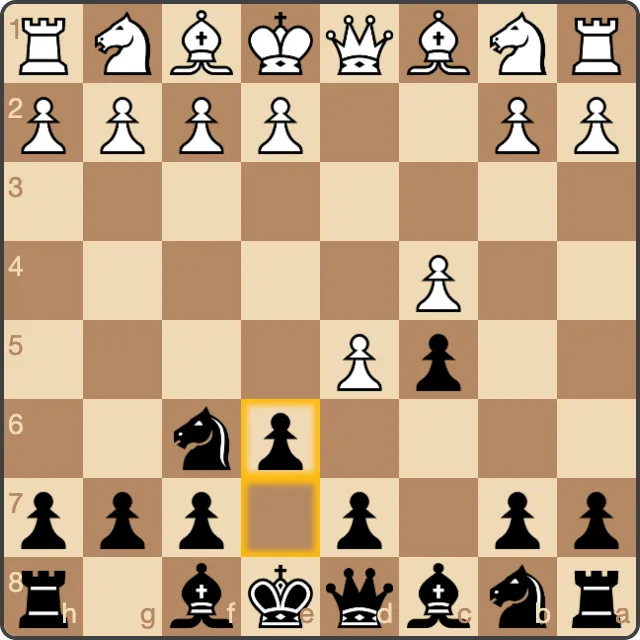
This is the most played line by Black that does not involve a gambit. Black will try to take advantage of their extra pawn on the queenside, supported by the fianchetto with Bg7.
Old Benoni
1.d4 c5
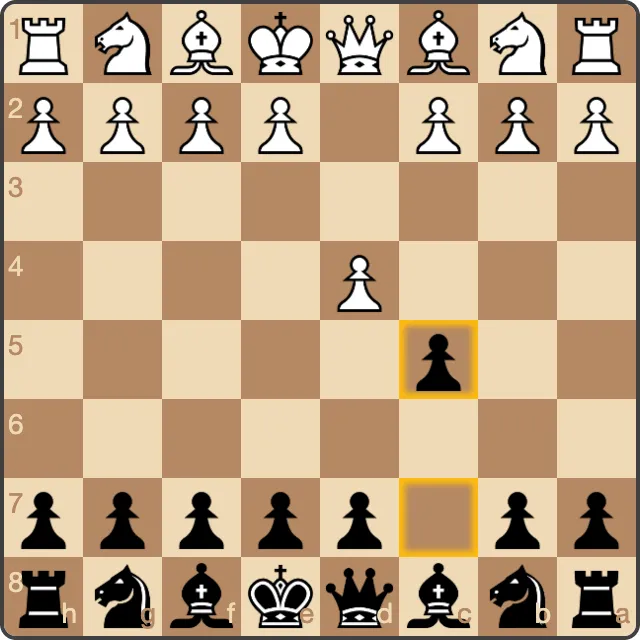
In the Old Benoni, Black challenges White’s center immediately. White usually plays 2.d5, and play can continue with 2…e5 3.e4 d6 4.Nc3 Be7
Snake Benoni
1.d4 Nf6 2.c4 c5 3.d5 e6 4.Nc3 exd5 5.cxd5 Bd6
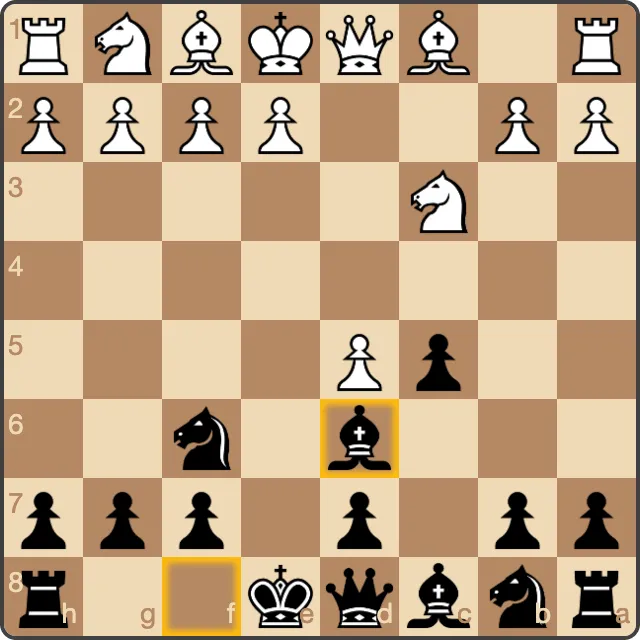
In the Snake Benoni, Black decides to develop their dark-squared bishop to d6 instead of g7. The bishop on d6 allows Black to control the e5 square. Black can also maneuver their bishop to c7 and a5.
Blumenfeld Countergambit
1.d4 Nf6 2.c4 c5 3.d5 e6 4.Nf3 b5
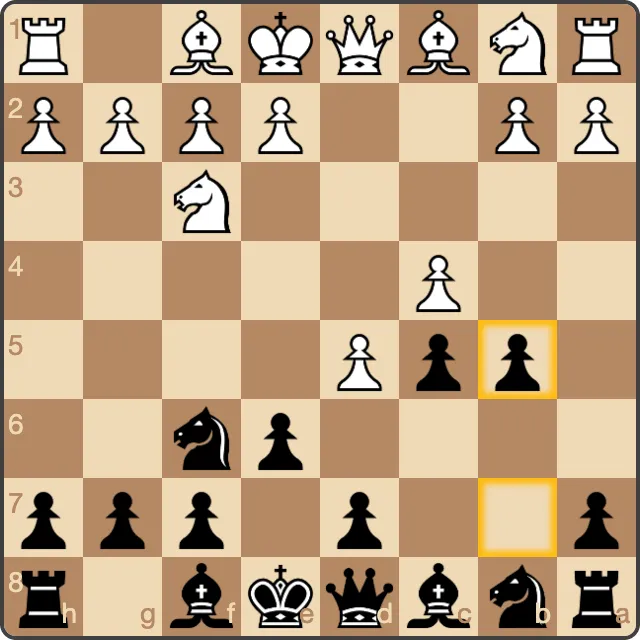
The Blumenfeld Countergambit is similar to the Benko Gambit, except Black first plays e6 and only then sacrifices the pawn on b5. The main goal of the Blumenfeld Countergambit is to create pressure on White’s central d pawn.
Czech Benoni
1.d4 Nf6 2.c4 c5 3.d5 e5
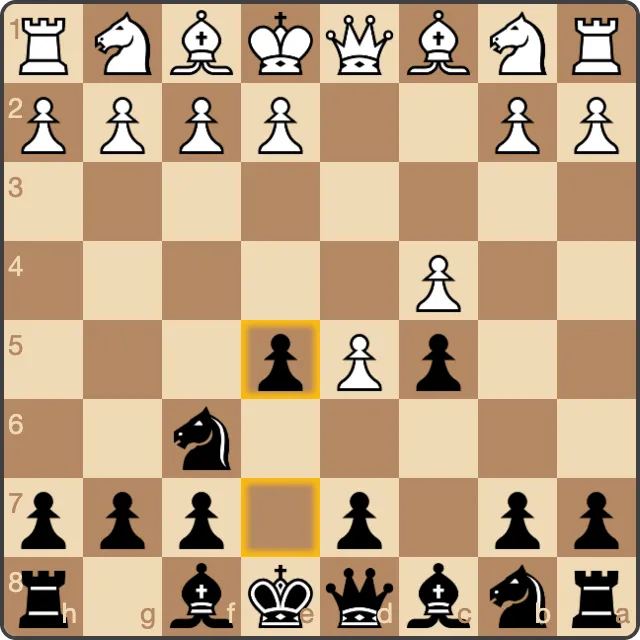
In the Czech Benoni, the game is usually slower and more positional. White should not capture en passant after 3…e5 because that would give Black a nice center. In this variation, both sides will have a bad bishop - for White is the light-squared bishop, while for Black is the dark-squared bishop. Some of the typical plans here for White are to play e4, h3, Bd3, and for Black are to try to expand with b5 and/or f5.
Model Games


Related Chess Courses
Benoni Defense With IM Valeri Lilov