 Sign in with Google

The Queen’s Gambit Declined is a chess opening in which White offers a seemingly ‘free’ pawn in the second move, but Black simply doesn’t take it and plays any other move.
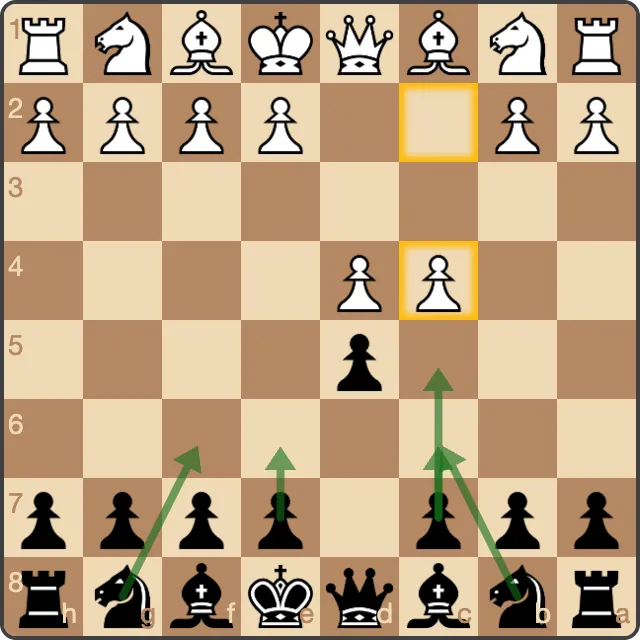
That ‘free’ pawn is in fact not free at all.
White will either:
- Re-gain it a few moves later, or
- Get much better piece development and coordination, which may result in a bigger advantage than just a pawn.
We should note that the Queen's Gambit Declined is a much more popular chess opening than the Queen's Gambit Accepted is.
Why is this?
Because the Queen's Gambit Declined (QGD) offers a much wider range of opening choices for Black, if we consider that the QGD is much more than just playing, for example, 2…e6 and rejecting White’s offer.
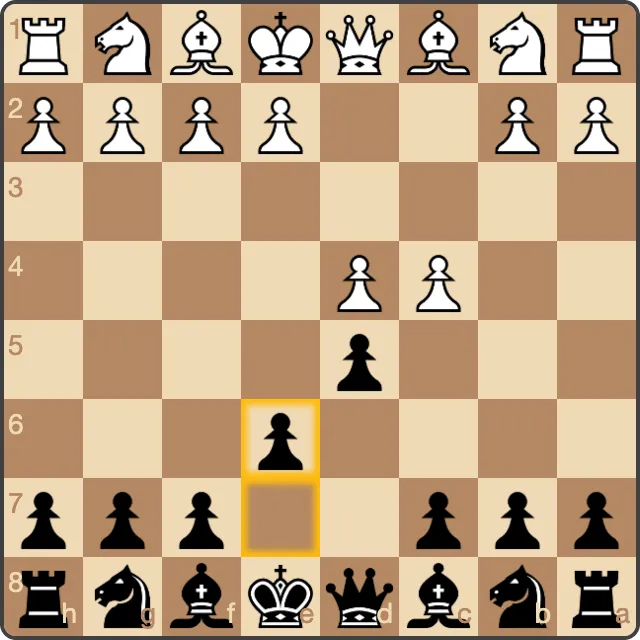
On the contrary, Black can play the Queen’s Gambit Declined in many different ways, for example the Slav Defense, Albin Counter-Gambit, and more, which we will see below.
For now, let’s focus on the Orthodox, that is the most traditional way of playing the Queen’s Gambit Declined.
In the video below, International Master Milovan Ratkovic explains some of the fundamentals of the Queen’s Gambit Declined:
Get IM Ratkovic full course on the Queen’s Gambit Declined.
Main Line in the Queen’s Gambit Declined
1.d4 d5
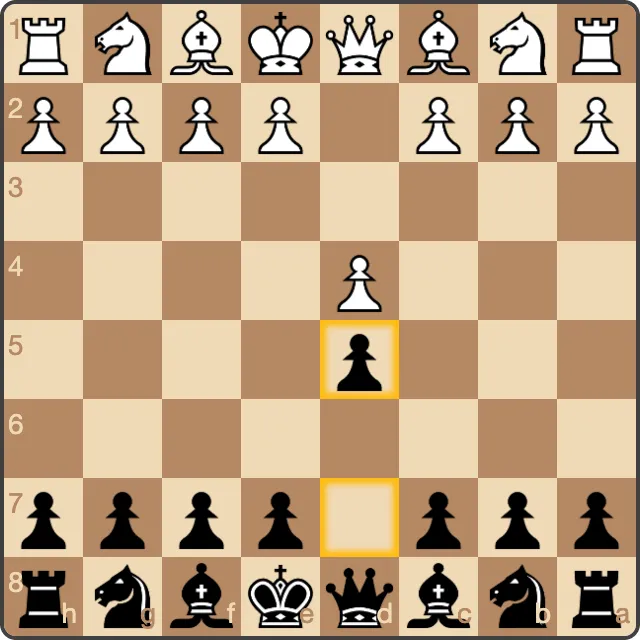
The game has started and White is ready to play the Queen’s Gambit.
2. c4 e6
The Queen’s Gambit has been played by White, and Black has opted for the Queen’s Gambit Declined, Orthodox Variation, with 2…e6 (instead of the Queen’s Gambit Accepted with 2…dxc6).
3. Nc3 Nf6
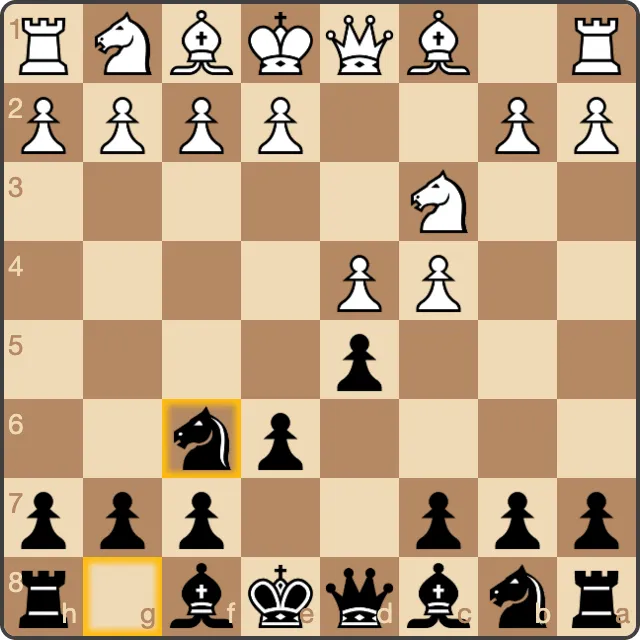
Both sides are developing pieces in a regular way, each trying to control the center, move their pieces, and prepare for castling.
4. cxd5 exd5
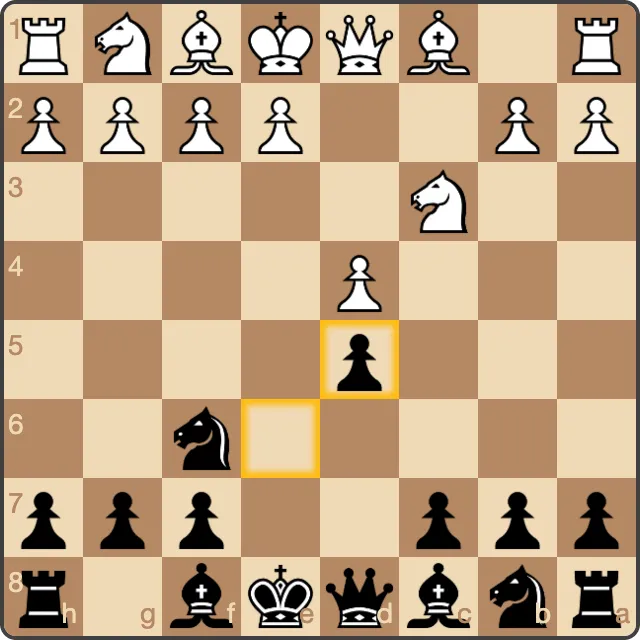
In the Queen’s Gambit Declined main line, the most played move by chess masters is 4.cxd5, which simplifies play a little bit, but keeps the door open for more complex play as well.
5. Bg5 c6
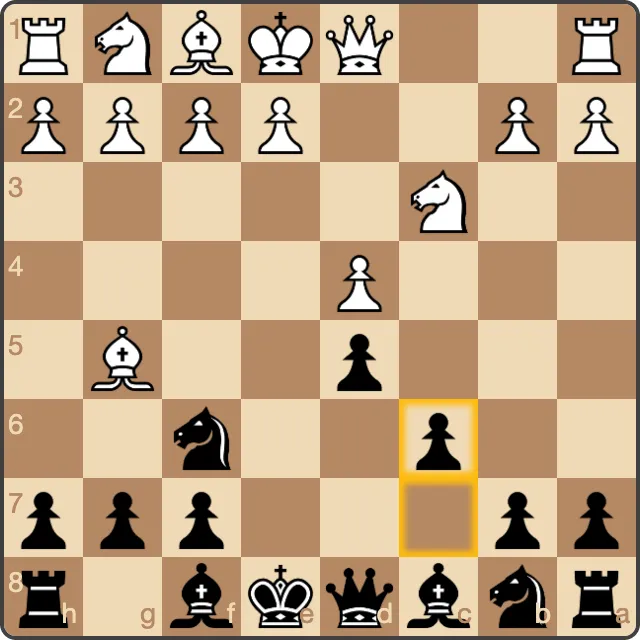
White decides to develop another piece and put pressure on the Knight on f6. Black decides to reinforce the d5 pawn.
6. e3 Be7
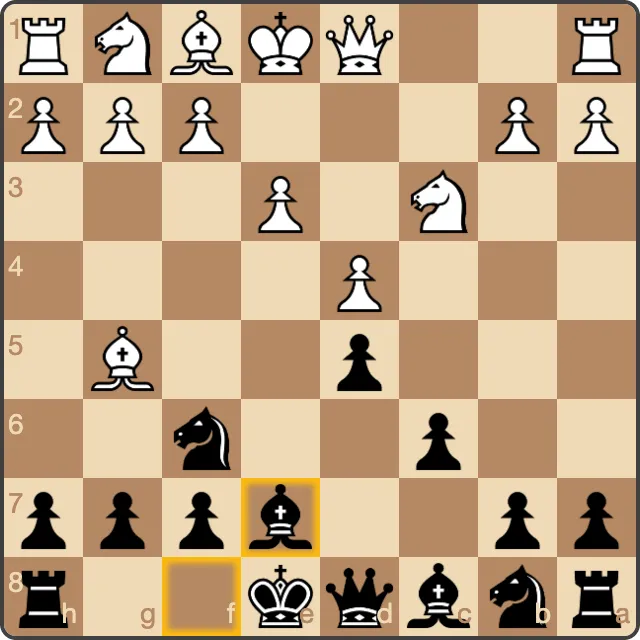
White opens up the diagonal for its light-squared Bishop, while Black is only move away from the short castle.
7. Bd3 Nbd7
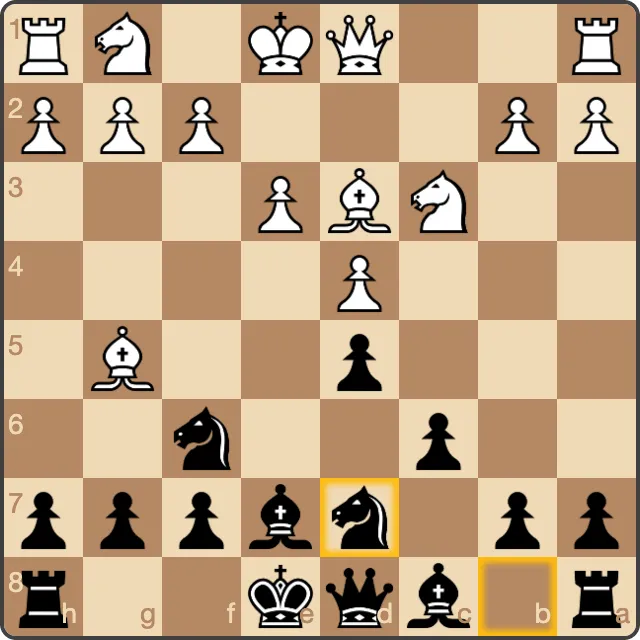
Both sides develop pieces.
8. Qc2 O-O
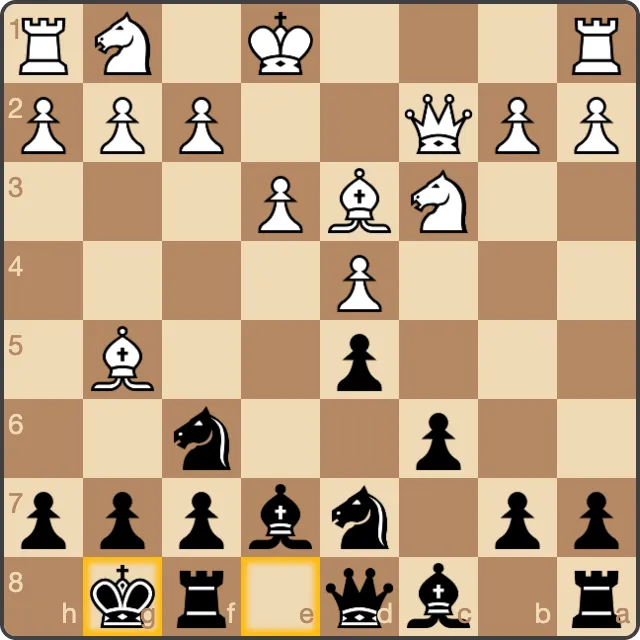
The Bishop-Queen battery on the d3-h7 diagonal is strong and eying the f7 square.
9. Nf3 Re8
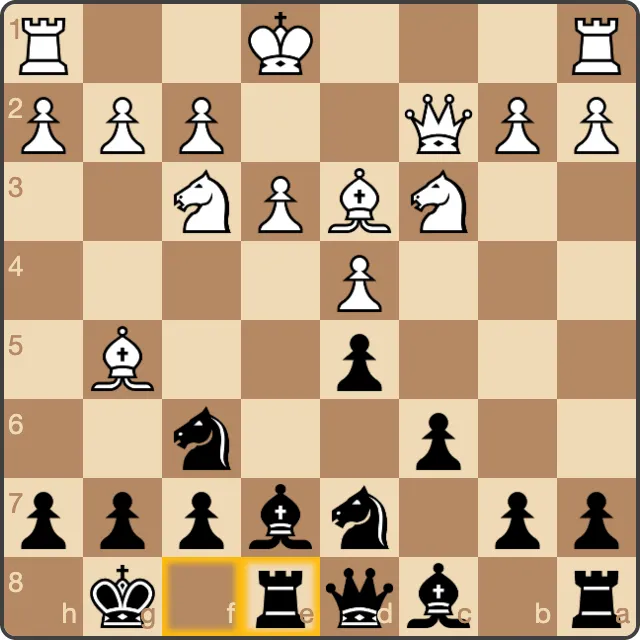
White is now almost ready to castle, and Black brings their Rook into play.
10. O-O Nf8
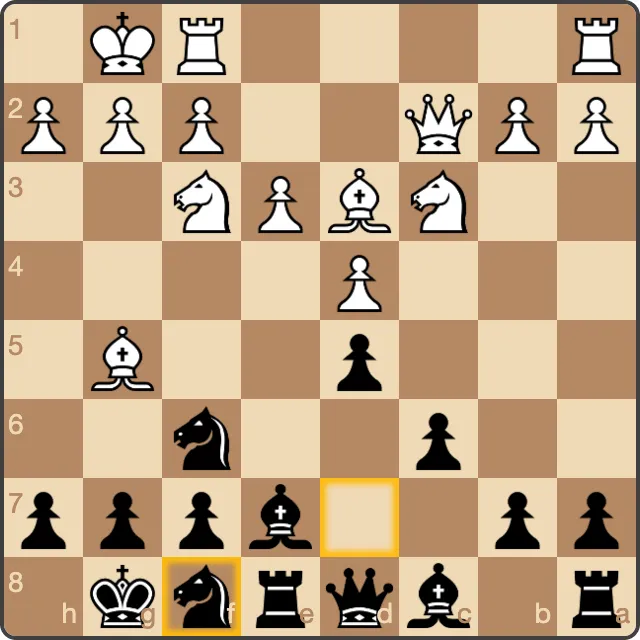
White finishes their development with the short-castle, and Black decides to improve the position of their Knight + support the h7 pawn a little more.
Alternatives to the Orthodox in the QGD
As we said earlier, Black don’t necessarily have to go for the Orthodox, since there are several other sound chess openings to choose from.
These other chess openings include:
- Slav Defense: 1.d4 d5 2.c4 c6.
- Albin Counter-Gambit: 1.d4 d5 2.c4 e5.
- Chigorin Defense: 1.d4 d5 2.c4 Nc6.
- Baltic Defense: 1.d4 d5 2.c4 Bf5.
- Symmetrical (Austrian) Defense: 1.d4 d5 2.c4 c5.
- Marshall Defense: 1.d4 d5 2.c4
Slav Defense
1.d4 d5 2.c4 c6
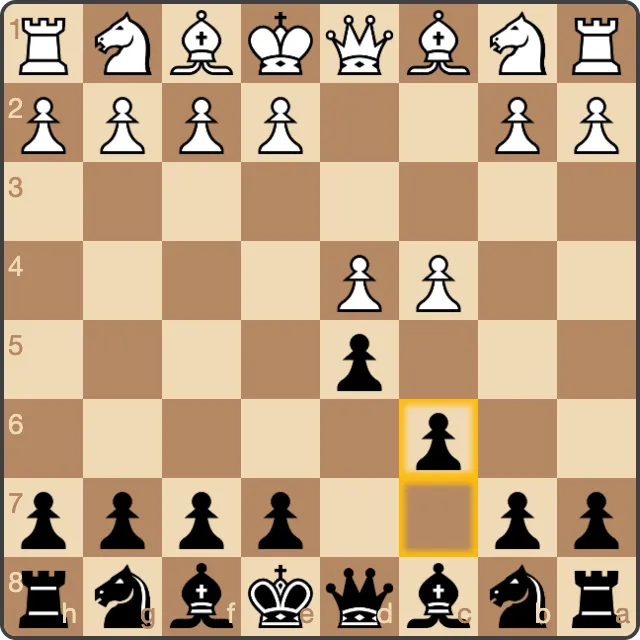
The Slav is the most played chess opening in the Queen’s Gambit Declined.
It’s a solid option for Black because it doubles the support on the d5 central pawn, and in many variations allows the problematic light-squared Black Bishop to move freely on the c8-h3 diagonal.
Albin Counter-Gambit
1.d4 d5 2.c4 e5
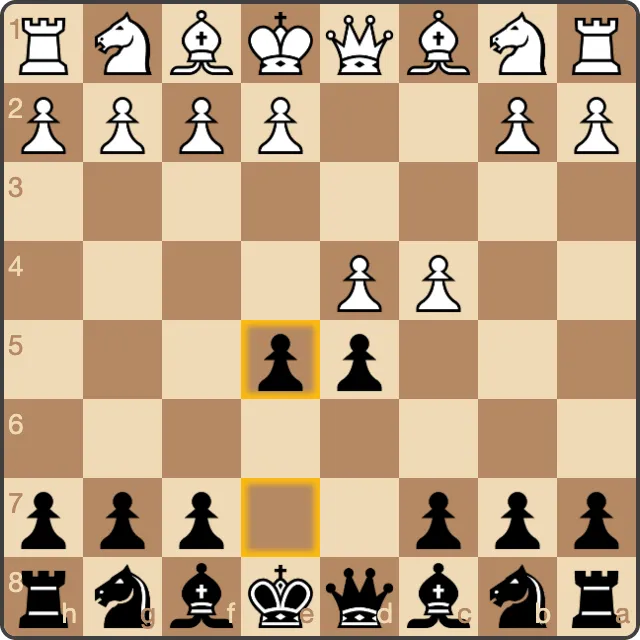
The Albin is an extremely aggressive response to the Queen’s Gambit Declined.
In exchange for a pawn, Black gets space and very real attacking chances.
White needs to play with precision if they want to keep things even on the board.
Chigorin Defense
1.d4 d5 2.c4 Nc6
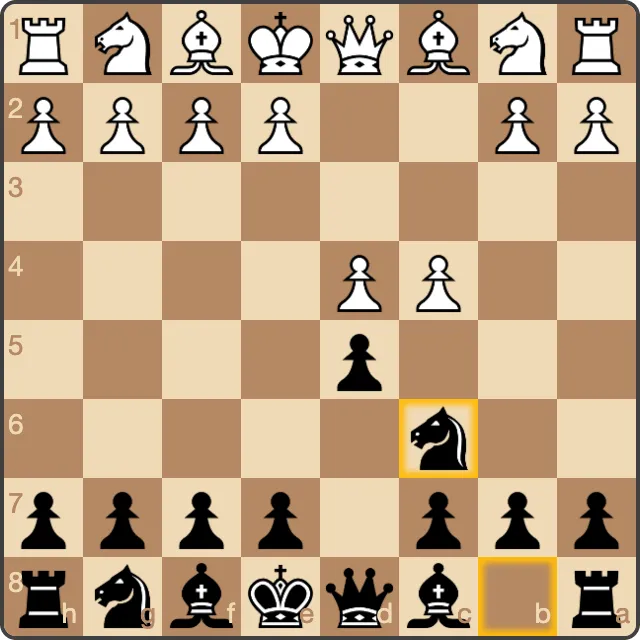
This is an uncommon chess opening because it blocks the c pawn right away.
The c pawn usually has total freedom in the QGD.
With the Chigorin Defense, Black strikes out in the center, and allows active piece play, not so common for Black when facing the Queen’s Gambit Declined.
Baltic Defense
1.d4 d5 2.c4 Bf5
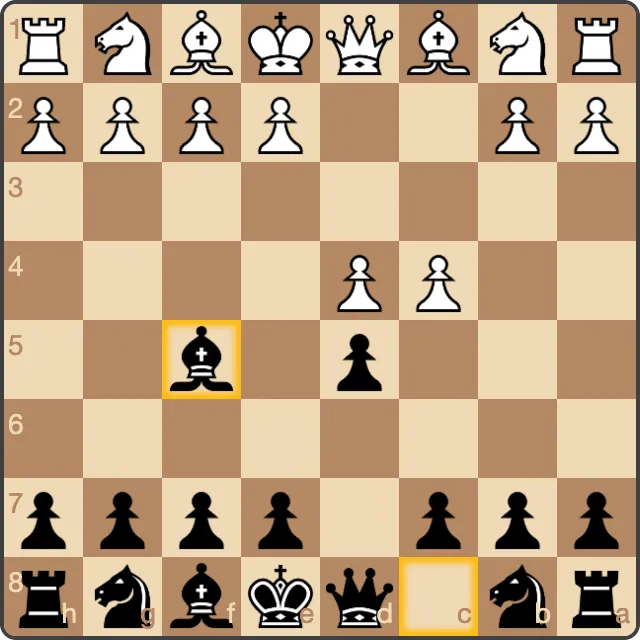
Another opening that is not so much played at masters level, although it’s still sound and perfectly playable for Black.
The Baltic Defense (also known as Grau Defense and Sahovic Defense) addresses the light-squared Bishop issue that Black usually faces right from the beginning by playing 2…Bf5.
This allows the Bishop to be active immediately.
The Bishop on f5 threatens the super weird move …Bxb1, but it also helps the d5 pawn to control the center.
The Baltic Defense is a great choice if you want to surprise White and take them out of their comfort zone in a violent fashion.
Symmetrical (Austrian) Defense
1.d4 d5 2.c4 c5
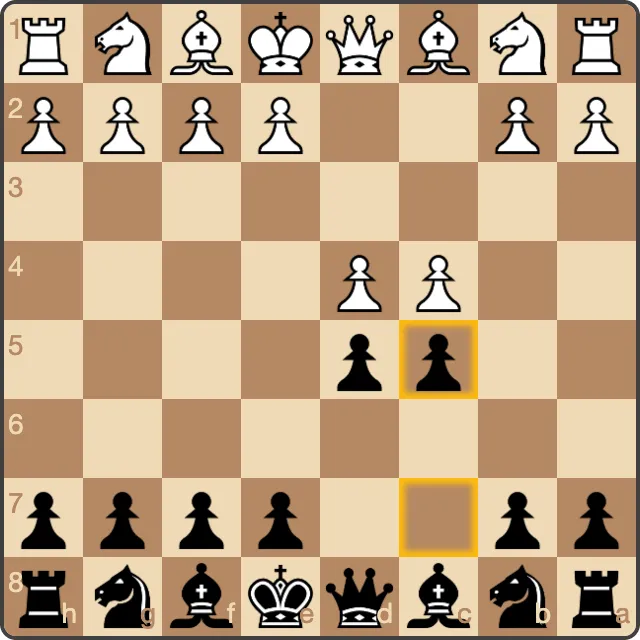
The Symmetrical Defense or Austrian Defense is a cheeky choice against the Queen’s Gambit Declined that copies the same first two moves from White.
After that, there are two main lines, which are 3.cxd5 and 3.Nf3.
In the Symmetrical, White usually tries to decrease the level of pressure Black has put on the center with 2…c5 by playing 3.cxd5, as we saw before.
Watch FIDE Master Armin Musovic go over one of the variations of the Symmetrical or Austrian Variation:
Get the full Austrian Variation course.
Marshall Defense
1.d4 d5 2.c4 Nf6
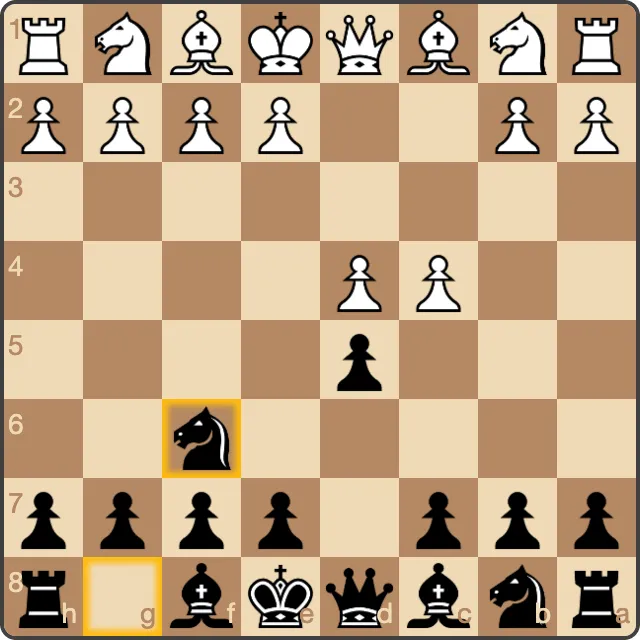
This is a very flexible chess opening that usually transposes to other openings such as the Grunfeld Defense, Slav Defense, and others.
Model Games in the Queen’s Gambit Declined


